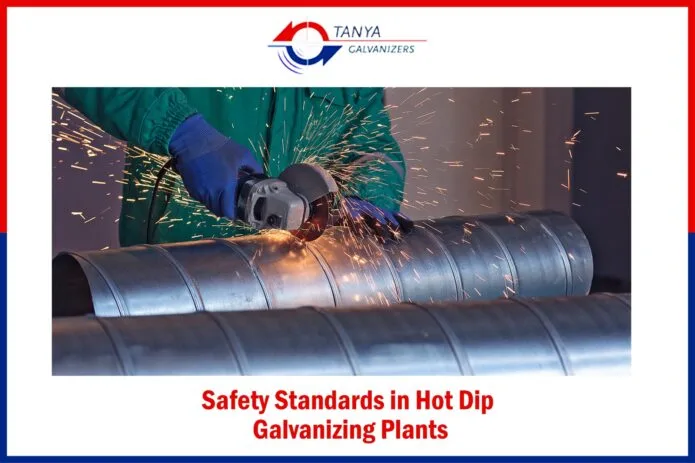
Hot-dip galvanizing is a widely used industrial process that protects steel from corrosion by coating it with molten zinc. The process significantly increases the lifespan of steel structures used in construction, infrastructure, transportation, and power transmission. While galvanizing offers long-term durability, the operations inside a galvanizing facility involve high temperatures, chemicals, and heavy material handling. Because of these factors, strict safety standards are essential in every hot-dip galvanizing plants.
A well-managed galvanizing plant follows structured safety procedures to protect workers, prevent accidents, and maintain smooth operations. These safety practices cover multiple areas, including equipment safety, chemical handling, worker protection, and emergency preparedness.
Understanding the safety standards followed in modern galvanizing facilities helps industries maintain safe working environments while ensuring reliable production.
Importance of Safety in Hot Dip Galvanizing Plants Operations
A hot dip galvanizing plant involves several stages, including degreasing, pickling, fluxing, and immersion in molten zinc. Each stage presents unique hazards, including chemical exposure, high temperatures, and material handling risks.
Without proper safety systems, workers may be exposed to burns, chemical injuries, slips, falls, or equipment-related accidents. Implementing comprehensive safety standards reduces these risks and creates a controlled work environment.
Safety also improves operational reliability and ensures compliance with occupational health and safety regulations.
Personal Protective Equipment for Workers
Personal protective equipment is one of the most important safety requirements in galvanizing facilities. Workers operating near chemical tanks or molten zinc baths must wear appropriate protective gear.
Typical protective equipment includes heat-resistant gloves, face shields, protective goggles, safety helmets, and flame-resistant clothing. Respiratory protection may also be required in areas where fumes are generated during the galvanizing process.
Proper training ensures that workers use protective equipment correctly and understand the hazards associated with galvanizing operations.
Safe Handling of Chemicals
The galvanizing process uses several chemical solutions, particularly during the degreasing and pickling stages. Acid solutions such as hydrochloric acid are commonly used to remove rust and mill scale from steel surfaces.
Improper handling of these chemicals can lead to skin burns, respiratory irritation, or environmental hazards. Therefore, galvanizing plants must implement proper chemical storage systems, spill containment measures, and ventilation systems.
Workers must be trained in chemical handling procedures and emergency response protocols to manage accidental exposure or spills.
Safety Around Molten Zinc
One of the most critical safety areas in a hot dip galvanizing plant is the molten zinc kettle. Zinc is heated to around 450°C, posing a risk of burns or splashing if proper precautions are not followed.
Workers must maintain safe distances from the galvanizing kettle and use specialized tools or automated systems to handle steel components. Drying steel components before immersion is also important because moisture can cause dangerous splashing when steel enters molten zinc.
Modern plants incorporate safety barriers, automated lifting systems, and monitoring systems to reduce human exposure near molten metal.
Material Handling Safety for Hot Dip Galvanizing Plants
Galvanizing plants often handle heavy steel structures such as transmission towers, pipes, structural beams, and industrial components. Moving these materials requires cranes, hoists, and mechanical handling systems.
Improper lifting techniques or equipment failure can lead to serious workplace accidents. Therefore, regular inspection of cranes, lifting equipment, and handling tools is essential.
Operators must also be trained to follow safe lifting practices and load handling procedures.
Ventilation and Fume Control
During the galvanizing process, fumes may be generated from chemical reactions or molten zinc. Proper ventilation systems are required to maintain safe air quality inside the plant.
Fume extraction systems and air circulation systems help reduce worker exposure to hazardous gases and maintain a healthy work environment.
Regular monitoring of air quality is also recommended in modern galvanizing plants.
Slip and Fall Prevention
Industrial facilities like galvanizing plants often have wet floors, chemical tanks, and multiple levels of equipment. These conditions increase the risk of slips and falls.
Installing anti-slip flooring, safety walkways, guardrails, and clear safety signage helps reduce these risks. Workers must also follow safe movement practices and wear appropriate safety footwear.
Emergency Response and Training
Emergency preparedness is another essential safety standard in galvanizing operations. Plants must have emergency procedures for handling chemical spills, fires, equipment failures, and medical emergencies.
Regular safety drills, employee training programs, and clearly defined evacuation plans help workers respond quickly and effectively during emergencies.
Training ensures that workers understand potential hazards and know how to prevent accidents.
Role of Engineering Design in Hot Dip Galvanizing Plants Safety
The overall safety of a galvanizing facility depends heavily on plant design and engineering. Modern hot dip galvanizing plants in India are designed with integrated safety features that minimize risk and improve operational efficiency.
Features such as automated handling systems, advanced ventilation units, safety interlocks, and monitoring systems help create a controlled working environment. These design improvements reduce worker exposure to hazardous conditions and support safe plant operations.
Conclusion
Safety standards are a fundamental part of operations in every hot dip galvanizing plant. The combination of molten zinc, chemical treatments, and heavy material handling requires strict safety procedures and well-designed plant infrastructure.
From chemical safety and protective equipment to ventilation systems and automated handling equipment, every safety measure contributes to a safer workplace.
Change block type or style
Move Heading block from position 36 up to position 35
Move Heading block from position 36 down to position 37
Change text alignment
Displays more block tools
blob:https://www.galvanizers.co.in/f25b8a8a-2578-410f-bf83-421680c236e3Meta Boxes
Use up and down arrow keys to resize the meta box pane.
Move upMove downShow or hide panel
Optimize your content for discovery or get new content suggestions.Get content suggestions
Focus keyphrase
Focus keyphrase
Use the main word or phrase you want your content found for across search, AI, and beyond. Learn more about best practices for keyphrases.(Opens in a new browser tab)
Discover related keyphrases(Opens in a new browser tab)
Search appearance
Determine how your post should look in the search results.Google preview
MobileGoogle preview: Switch to desktop preview. Currently showing mobile preview.
Desktop
Url preview:
Galvanizerswww.galvanizers.co.in
SEO title preview:
Hot Dip Galvanizing Plants Safety Standards & Best Practices
Meta description preview:
Apr 17, 2026 - Explore hot dip galvanizing plants safety practices, covering zinc handling, worker protection, PPE, and safe galvanizing process standards.
SEO titleInsert variableGenerate SEO title
Hot Dip Galvanizing Plants Safety Standards & Best Practices
Slug
Meta descriptionInsert variableGenerate meta description
Explore hot dip galvanizing plants safety practices, covering zinc handling, worker protection, PPE, and safe galvanizing process standards.
SEO analysisGoodHot Dip Galvanizing Plants
Premium SEO Analysis
Get deeper keyphrase insights and stronger headlines
- Synonyms & word form recognition: Write more natural, flowing content.
- Extra SEO assessments: See additional recommendation to improve your content.
Analysis results
Problems (2)
- Keyphrase in subheading: Use more keyphrases or synonyms in your H2 and H3 subheadings!
- Competing links: You have a link which uses your keyphrase or synonym as its anchor text. Fix that!
Improvements (1)
Good results (14)
- Outbound links: Good job!
- Keyphrase in image alt attributes: Good job!
- Images: Good job!
- Internal links: You have enough internal links. Good job!
- Keyphrase in introduction: Well done!
- Keyphrase density: The keyphrase was found 5 times. This is great!
- Keyphrase in SEO title: The exact match of the focus keyphrase appears at the beginning of the SEO title. Good job!
- Keyphrase length: Good job!
- Keyphrase in meta description: Keyphrase or synonym appear in the meta description. Well done!
- Meta description length: Well done!
- Single title: You don’t have multiple H1 headings, well done!
- Keyphrase in slug: More than half of your keyphrase appears in the slug. That’s great!
- Text length: The text contains 1023 words. Good job!
- SEO title width: Good job!
Add related keyphrasePremiumTrack SEO performance
Content blocksNew
Internal linking suggestionsPremium
Cornerstone content
Advanced
Insights
Move upMove downShow or hide panel
Tip: For more detailed information on how to configure this plugin, please visit:https://wpsemplugins.com/wordpress-seo-structured-data-schema-plugin/
Tip: Once you save these structured data schema settings, validate this page url here:https://developers.google.com/search/docs/advanced/structured-data
- Article
- Tech Article
- Blog Posting
- News Article
- Profile Page
- Event
- Product
- Video
- Audio
- Service
- About
- Contact
- Review
- Aggregate Ratings
- Restaurant
- Local Business
- Medical WebPage
- Book
- Course
- Job Posting
- Movie
- Music
- Recipe
- TVEpisode
- QAPage
- Item List
- Vacation Rental
- Vehicle listing
- Special Announcement
- Custom Schema
Auto FillPRO EnableHeadline*
Article titlePage URL*
The canonical URL of the article pageAuthor Name*
Author display nameAuthor URL*Article Feature Image*
Images should be at least 696 pixels wide.
Images should be in .jpg, .png, or. gif format.Published date*
Like this: 2024-01-05T08:00:00+08:00Modified date*
Like this: 2024-01-05T08:00:00+08:00Publisher*
Publisher name or Organization namePublisher Logo*
Logos should have a wide aspect ratio, not a square icon.
Logos should be no wider than 600px, and no taller than 60px.
Always retain the original aspect ratio of the logo when resizing. Ideally, logos are exactly 60px tall with width <= 600px. If maintaining a height of 60px would cause the width to exceed 600px, downscale the logo to exactly 600px wide and reduce the height accordingly below 60px to maintain the original aspect ratio.
Description
Short description. New line is not supported.Article body
Article contentAlternative headline
A secondary headline for the article.
Video
NameDescriptionImageContent URLEmbed URL
A URL pointing to the actual video media file. This file should be in .mpg, .mpeg, .mp4, .m4v, .mov, .wmv, .asf, .avi, .ra, .ram, .rm, .flv, or other video file format.Upload date*
Like this: 2021-08-25 14:20:00Duration
Runtime of the movie in ISO 8601 format (for example, “PT2H22M” (142 minutes)).
Audio
Name
The title of the audioDescription
The short description of the audioDuration
The duration of the audio in ISO 8601 format.(PT1M33S)Content URL
A URL pointing to the actual audio media file. This file should be in .mp3, .wav, .mpc or other audio file format.Encoding Format
The encoding format of audio like: ‘audio/mpeg’PostBlock
Heading 3
Introduce new sections and organize content to help visitors (and search engines) understand the structure of your content.Transform to variation
Typography
Color
Font sizeFont size
Background
Color
Gradient
Advanced
Skip to the selected blockOpen save panel
- Post
- Heading 3
By implementing comprehensive safety standards and adopting modern plant designs, industries can ensure efficient galvanizing operations while protecting workers and maintaining high-quality corrosion protection in hot dip galvanizing plants in India.
FAQs
1. What are the main hazards in a hot dip galvanizing plant?
Ans: Common hazards include exposure to molten zinc, chemical handling risks, heavy material handling, fumes, and slip hazards within the plant.
2. Why is PPE important in galvanizing plants?
Ans: Personal protective equipment protects workers from burns, chemical exposure, fumes, and other hazards associated with galvanizing operations.
3. What temperature is molten zinc in hot dip galvanizing?
Ans: Molten zinc in a hot dip galvanizing plant is typically maintained at around 450°C during the galvanizing process.
4. How do galvanizing plants control fumes?
Ans: Galvanizing plants use ventilation systems, fume extraction units, and air monitoring systems to maintain safe air quality.
5. Why is worker training important in galvanizing plants?
Ans: Proper training helps workers understand hazards, use safety equipment correctly, and respond effectively to emergencies, reducing workplace accidents.