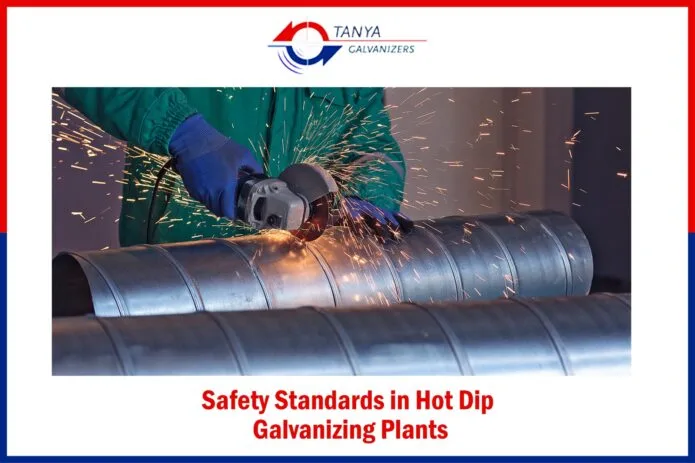
Safety Standards in Hot Dip Galvanizing Plants

Hot dip galvanizing is a widely used industrial process that protects steel from corrosion by coating it with molten zinc. The process significantly increases the lifespan of steel structures used in construction, infrastructure, transportation, and power transmission. While galvanizing offers long-term durability, the operations inside a galvanizing facility involve high temperatures, chemicals, and heavy material handling. Because of these factors, strict safety standards are essential in every hot dip galvanizing plant.

A well-managed galvanizing plant follows structured safety procedures to protect workers, prevent accidents, and maintain smooth operations. These safety practices cover multiple areas, including equipment safety, chemical handling, worker protection, and emergency preparedness.

Understanding the safety standards followed in modern galvanizing facilities helps industries maintain safe working environments while ensuring reliable production.

Importance of Safety in Galvanizing Operations

A hot dip galvanizing plant involves several stages, including degreasing, pickling, fluxing, and immersion in molten zinc. Each stage presents unique hazards, including chemical exposure, high temperatures, and material handling risks.

Without proper safety systems, workers may be exposed to burns, chemical injuries, slips, falls, or equipment-related accidents. Implementing comprehensive safety standards reduces these risks and creates a controlled work environment.

Safety also improves operational reliability and ensures compliance with occupational health and safety regulations.


Personal Protective Equipment for Workers

Personal protective equipment is one of the most important safety requirements in galvanizing facilities. Workers operating near chemical tanks or molten zinc baths must wear appropriate protective gear.

Typical protective equipment includes heat-resistant gloves, face shields, protective goggles, safety helmets, and flame-resistant clothing. Respiratory protection may also be required in areas where fumes are generated during the galvanizing process.

Proper training ensures that workers use protective equipment correctly and understand the hazards associated with galvanizing operations.

Safe Handling of Chemicals

The galvanizing process uses several chemical solutions, particularly during the degreasing and pickling stages. Acid solutions such as hydrochloric acid are commonly used to remove rust and mill scale from steel surfaces.

Improper handling of these chemicals can lead to skin burns, respiratory irritation, or environmental hazards. Therefore, galvanizing plants must implement proper chemical storage systems, spill containment measures, and ventilation systems.

Workers must be trained in chemical handling procedures and emergency response protocols to manage accidental exposure or spills.

Safety Around Molten Zinc

One of the most critical safety areas in a hot dip galvanizing plant is the molten zinc kettle. Zinc is heated to around 450°C, posing a risk of burns or splashing if proper precautions are not followed.

Workers must maintain safe distances from the galvanizing kettle and use specialized tools or automated systems to handle steel components. Drying steel components before immersion is also important because moisture can cause dangerous splashing when steel enters molten zinc.

Modern plants incorporate safety barriers, automated lifting systems, and monitoring systems to reduce human exposure near molten metal.

Material Handling Safety

Galvanizing plants often handle heavy steel structures such as transmission towers, pipes, structural beams, and industrial components. Moving these materials requires cranes, hoists, and mechanical handling systems.

Improper lifting techniques or equipment failure can lead to serious workplace accidents. Therefore, regular inspection of cranes, lifting equipment, and handling tools is essential.

Operators must also be trained to follow safe lifting practices and load handling procedures.

Ventilation and Fume Control

During the galvanizing process, fumes may be generated from chemical reactions or molten zinc. Proper ventilation systems are required to maintain safe air quality inside the plant.

Fume extraction systems and air circulation systems help reduce worker exposure to hazardous gases and maintain a healthy work environment.

Regular monitoring of air quality is also recommended in modern galvanizing plants.

Slip and Fall Prevention

Industrial facilities like galvanizing plants often have wet floors, chemical tanks, and multiple levels of equipment. These conditions increase the risk of slips and falls.

Installing anti-slip flooring, safety walkways, guardrails, and clear safety signage helps reduce these risks. Workers must also follow safe movement practices and wear appropriate safety footwear.

Emergency Response and Training

Emergency preparedness is another essential safety standard in galvanizing operations. Plants must have emergency procedures for handling chemical spills, fires, equipment failures, and medical emergencies.

Regular safety drills, employee training programs, and clearly defined evacuation plans help workers respond quickly and effectively during emergencies.

Training ensures that workers understand potential hazards and know how to prevent accidents.

Role of Engineering Design in Plant Safety

The overall safety of a galvanizing facility depends heavily on plant design and engineering. Modern hot dip galvanizing plants in India are designed with integrated safety features that minimize risk and improve operational efficiency.

Features such as automated handling systems, advanced ventilation units, safety interlocks, and monitoring systems help create a controlled working environment. These design improvements reduce worker exposure to hazardous conditions and support safe plant operations.

Conclusion

Safety standards are a fundamental part of operations in every hot dip galvanizing plant. The combination of molten zinc, chemical treatments, and heavy material handling requires strict safety procedures and well-designed plant infrastructure.

From chemical safety and protective equipment to ventilation systems and automated handling equipment, every safety measure contributes to a safer workplace.

By implementing comprehensive safety standards and adopting modern plant designs, industries can ensure efficient galvanizing operations while protecting workers and maintaining high-quality corrosion protection in hot dip galvanizing plants in India.

FAQs

1. What are the main hazards in a hot dip galvanizing plant?
Ans: Common hazards include exposure to molten zinc, chemical handling risks, heavy material handling, fumes, and slip hazards within the plant.

        2. Why is PPE important in galvanizing plants?
        Ans: Personal protective equipment protects workers from burns, chemical exposure, fumes, and other hazards associated with galvanizing operations.

        3. What temperature is molten zinc in hot dip galvanizing?
        Ans: Molten zinc in a hot dip galvanizing plant is typically maintained at around 450°C during the galvanizing process.

        4. How do galvanizing plants control fumes?
        Ans: Galvanizing plants use ventilation systems, fume extraction units, and air monitoring systems to maintain safe air quality.

        5. Why is worker training important in galvanizing plants?
        Ans: Proper training helps workers understand hazards, use safety equipment correctly, and respond effectively to emergencies, reducing workplace accidents.
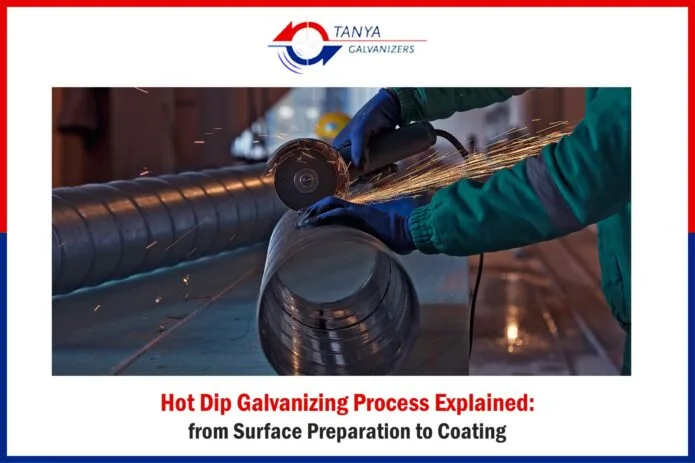
        How a Hot Dip Galvanizing Plant Works Step by Step

        hot dip galvanizing plant

        A hot dip galvanizing plant plays a critical role in protecting steel structures used in construction, infrastructure, power transmission, and industrial equipment. Steel is one of the most widely used materials across industries, but it is highly vulnerable to corrosion when exposed to moisture, chemicals, and environmental conditions.

        Hot dip galvanizing provides an effective and long-lasting solution to this problem. In this process, steel components are coated with molten zinc, creating a protective barrier that prevents rust and corrosion. The zinc coating also forms a metallurgical bond with the steel surface, making the protection extremely durable.

        Understanding how a hot dip galvanizing plant works step by step helps industries maintain coating quality, improve durability, and ensure reliable corrosion protection for steel components.

        Step 1: Inspection and Preparation of Steel

        The galvanizing process begins with inspection and preparation of steel components. Fabricated items such as structural sections, pipes, fasteners, and towers are examined for contaminants like oil, paint, grease, or welding slag.

        These impurities can prevent proper bonding between zinc and steel. Therefore, the steel must be properly prepared before entering the galvanizing process. Proper preparation ensures that the coating forms evenly across the entire surface.

        Step 2: Degreasing and Surface Cleaning

        Steel components often carry oil, grease, or machining residues from manufacturing processes. These contaminants are removed during the degreasing stage.

        In this step, steel parts are immersed in a chemical cleaning solution that dissolves organic contaminants and surface oils. Cleaning ensures that the steel surface becomes chemically active and ready for the next treatment stage.

        Degreasing is a critical step in maintaining efficiency and coating quality in a hot-dip galvanising plant.

        Step 3: Pickling to Remove Rust and Scale

        After degreasing, the steel components are transferred to pickling tanks containing acid solutions such as hydrochloric acid.

        Pickling removes rust, mill scale, and oxide layers that naturally develop on steel surfaces. These layers must be removed to allow direct contact between steel and molten zinc during the galvanizing process.

        This step ensures that the steel surface is clean and reactive, allowing proper metallurgical bonding in the galvanizing stage.

        Step 4: Water Rinsing

        Once pickling is completed, the steel components are rinsed thoroughly in water tanks. This step removes any remaining acid from the surface.

        Rinsing also prevents contamination of the next process stage and helps maintain chemical balance within the galvanizing plant. Proper rinsing improves overall process efficiency and consistency.

        Step 5: Fluxing for Surface Protection

        The next stage is fluxing, which prepares the steel surface for immersion in molten zinc.

        During fluxing, steel components are dipped into a flux solution typically composed of zinc ammonium chloride. The flux removes any remaining oxides and prevents new oxidation before galvanizing.

        Fluxing also improves the reaction between molten zinc and steel, allowing the coating to spread uniformly across the surface.

        Step 6: Drying or Preheating

        Before entering the zinc bath, the steel components are dried or slightly preheated. This step eliminates moisture that may remain on the surface.

        Moisture can cause splashing when steel enters molten zinc, which can affect coating quality and safety. Drying therefore improves both process safety and final coating quality in a hot dip galvanizing plant.

        Step 7: Hot Dip Galvanizing in Molten Zinc Bath

        The core stage of the process occurs when the prepared steel components are immersed in a kettle containing molten zinc maintained at approximately 450 degrees Celsius.

        When steel comes into contact with molten zinc, a metallurgical reaction occurs between iron and zinc. This reaction forms several alloy layers that bond strongly with the steel surface.

        The outermost layer consists of pure zinc, which acts as a protective barrier against corrosion. This coating protects steel structures even in harsh environmental conditions.

        Step 8: Cooling and Solidification

        After galvanizing, the coated steel components are removed from the zinc bath and cooled. Cooling may occur naturally in air or through water quenching.

        During this stage, the zinc coating solidifies and stabilizes on the steel surface. Some galvanizing plants also use passivation treatments to reduce the risk of white rust formation.

        Step 9: Inspection and Quality Assurance

        The final stage of the galvanizing process involves detailed inspection and quality control.

        Engineers check the galvanized steel for coating thickness, uniformity, adhesion, and surface finish. Specialized gauges are used to measure coating thickness and ensure compliance with industry standards.

        A well-designed hot dip galvanizing plant includes dedicated inspection systems to maintain consistent product quality.

        Industries That Depend on Hot Dip Galvanizing

        Steel components processed in a hot dip galvanizing plant are widely used across multiple industries. Galvanized steel is commonly used in power transmission towers, highway guardrails, solar mounting structures, telecom towers, construction frameworks, and agricultural equipment.

        Because galvanized coatings provide long-term corrosion protection with minimal maintenance, hot dip galvanizing has become a preferred solution for infrastructure and industrial projects worldwide.

        Importance of Choosing the Right Galvanizing Plant Manufacturer

        A well-designed hot dip galvanizing plant ensures efficient operations, consistent coating quality, and safe handling of chemicals and molten zinc.

        Selecting an experienced galvanizing plant manufacturer in India helps industries achieve reliable galvanizing performance, energy efficiency, and compliance with environmental standards. Modern plants are designed with automated material handling systems, optimized chemical treatment tanks, and energy-efficient heating systems to improve productivity and reduce operational costs.

        Conclusion

        A hot dip galvanizing plant plays a crucial role in protecting steel structures used in infrastructure, industrial facilities, and public utilities. The process involves multiple carefully controlled stages including cleaning, pickling, fluxing, zinc coating, cooling, and inspection.

        Each step ensures that the zinc coating bonds properly with steel and provides long-term corrosion protection. By understanding how a hot dip galvanizing plant works step by step, industries can better appreciate the technology behind galvanization and recognize the importance of choosing a reliable galvanizing plant manufacturer in India.

        FAQs

        1. What is a hot dip galvanizing plant used for?
        Ans: A hot dip galvanizing plant is used to coat steel components with molten zinc to protect them from corrosion and significantly extend their service life.

        2. What temperature is used in a hot dip galvanizing plant?
        Ans: Most hot dip galvanizing plants maintain the molten zinc bath at approximately 450°C to ensure proper metallurgical bonding between zinc and steel.

        3. Why is surface preparation important in galvanizing?
        Ans: Surface preparation removes oil, rust, and contaminants from steel, allowing molten zinc to bond properly and form a durable protective coating.

        4. What industries commonly use galvanized steel?
        Ans: Industries such as construction, power transmission, transportation, infrastructure development, and renewable energy widely use galvanized steel components.

        5. What is the difference between galvanizing and painting for corrosion protection?
        Ans: Galvanizing creates a metallurgically bonded zinc coating that protects steel for decades, whereas paint forms only a surface barrier that may require regular maintenance and reapplication.

        Hot Dip Galvanizing Plant in India

        How a Galvanizing Plant Enhances Steel Durability – A Complete Guide

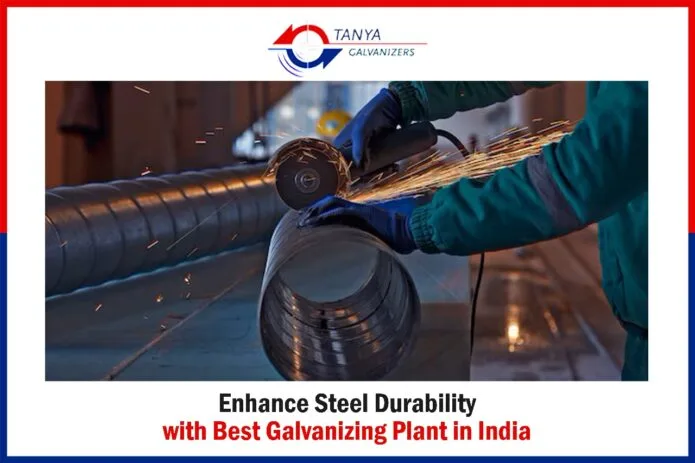
        In industries where steel plays a central role, corrosion protection is not optional—it’s essential. Whether in construction, energy, agriculture, or infrastructure, ensuring your steel lasts long without rusting saves both time and cost. That’s where a galvanizing plant comes in. Specifically, a Hot Dip Galvanizing Plant in India like Tanya Galvanizers provides robust, reliable, and economical corrosion protection using advanced hot-dip galvanizing techniques.

        How Does a Hot Dip Galvanizing Plant Work?

        At a modern Hot Dip Galvanizing Plant in India, like Tanya Galvanizers, the process follows internationally accepted quality standards. Here’s a simple breakdown:

        1. Surface Preparation

        • Degreasing: Removes oil, grease, and dirt.
        • Pickling: Removes rust and mill scale using acid solutions.
        • Rinsing: Washes off chemical residues.
        • Fluxing: Prepares the surface for better zinc adhesion.

        2. Galvanizing

        • Steel is dipped into molten zinc heated to around 450°C.
        • A zinc-iron alloy layer forms, bonding tightly with the steel.

        3. Cooling and Inspection

        • Coated steel is cooled in water or air.
        • Each piece is checked for coating thickness, uniformity, and defects.

        Advantages of a Hot Dip Galvanizing Plant

        Hot dip galvanizing offers several unique advantages:

        • Long-Lasting Protection: Coatings can last 30–70 years depending on the environment.
        • Low Maintenance: No need for regular repainting or touch-ups.
        • Full Surface Coverage: Even hard-to-reach areas are coated.
        • Environmentally Friendly: Zinc is non-toxic and recyclable.
        • Cost-Effective: Low lifecycle costs with minimal maintenance needs.

        Why Tanya Galvanizers is a Leading Hot Dip Galvanizing Plant in India

        Tanya Galvanizers has earned its place as one of the top-rated hot dip galvanizing plants in India through a strong commitment to quality, innovation, and customer satisfaction. Here’s what sets them apart:

        • 🌐 State-of-the-Art Infrastructure
        • 🛠️ Skilled and Trained Technicians
        • 📈 Strict Quality Control Measures
        • 🔄 Customizable Galvanizing Solutions for Multiple Industries
        • 🧪 Eco-Friendly and Safe Processing

        Whether you are in power transmission, automotive, construction, or infrastructure, Tanya Galvanizers offers galvanizing solutions tailored to your product and industry requirements.

        Applications of Galvanized Steel Products

        Galvanized products from a reliable galvanizing plant are widely used in:

        • Transmission Towers & Poles
        • Crash Barriers & Guardrails
        • Pipelines & Water Tanks
        • Solar Panel Mounting Structures
        • Structural Steel for Buildings and Bridges

        Why Quality Matters in Galvanizing

        Using a substandard galvanizing process can lead to:

        • Uneven coatings
        • Reduced corrosion resistance
        • Shorter product lifespan

        Choosing a certified and technologically advanced Hot Dip Galvanizing Plant in India, like Tanya Galvanizers, ensures consistent, durable, and compliant results.

        Trusted Galvanizing Solutions for Every Industry

        Ready to protect your steel investments? Tanya Galvanizers is your go-to Hot Dip Galvanizing Plant in India, offering exceptional quality, timely service, and reliable performance. Whether it’s structural steel, cable trays, earthing materials, or industrial components—get in touch with Tanya Galvanizers for expert galvanizing solutions that last a lifetime.

        👉 Visit Tanya Galvanizers to learn more or request a quote today!

        =====================================================================

        Frequently Asked Questions (FAQs)

        1. How long does galvanized steel last?

        Galvanized steel can last between 30 to 70 years depending on environmental exposure and coating thickness.

        2. Is hot dip galvanizing eco-friendly?

        Yes, zinc is a recyclable, non-toxic material, and the process significantly extends the life of steel, reducing waste.

        3. Can all types of steel be hot-dip galvanized?

        Most types of steel can be galvanized, though the surface preparation and chemistry may vary slightly for optimal bonding.

        4. How do I choose the right galvanizing plant?

        Look for experience, infrastructure, quality control, customization options, and environmental compliance—Tanya Galvanizers checks all these boxes.

        Hot Dip Galvanizing Plant In India

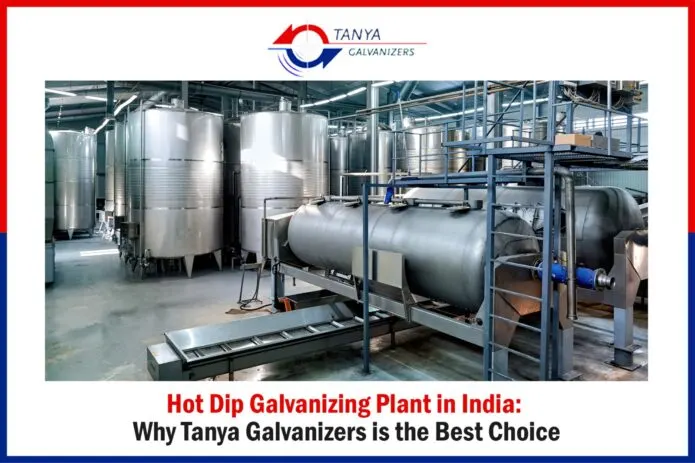
        Hot Dip Galvanizing Plant in India: Why Tanya Galvanizers is the Best Choice

        Hot dip galvanizing is essential for industries that rely on steel and iron structures. It ensures durability, corrosion resistance, and long-term reliability, making it integral to construction, automotive, and industrial projects. If you’re looking for the best hot dip galvanizing plant in India, look no further than Tanya Galvanizers. Tanya Galvanizers has emerged as a trusted name in the industry because of their superior quality, advanced technology, and customer-focused approach.

        What is Hot Dip Galvanizing?

        Hot dip galvanizing is a process where steel or iron products are coated with a layer of zinc by immersing them in molten zinc at a temperature of around 450°C. This zinc coating provides a strong, protective barrier that shields the metal from corrosion caused by moisture, air, and other environmental factors.

        The process involves multiple steps, including surface preparation, cleaning, and coating. The result is a durable, corrosion-resistant product that lasts decades, even in harsh conditions.

        Why is Hot Dip Galvanizing Essential in India?

        With its diverse climatic conditions and rapid industrial growth, India requires robust infrastructure and reliable materials. Steel and iron, commonly used in construction and manufacturing, are prone to rust and degradation when exposed to humidity, pollution, and varying temperatures.

        Hot dip galvanizing addresses these challenges by:

        • Providing Corrosion Resistance: The zinc layer prevents rust and extends the lifespan of steel and iron structures.
        • Reducing Maintenance Costs: Galvanized products require little to no maintenance, saving time and money.
        • Ensuring Durability: Galvanized materials can withstand harsh weather, making them ideal for use in coastal and industrial areas.

        Tanya Galvanizers: The Best Hot Dip Galvanizing Plant in India

        Tanya Galvanizers stands out as a leader in India’s hot dip galvanizing industry. Here’s why:

        1. Advanced Technology and Infrastructure

        Tanya Galvanizers employs state-of-the-art technology in its plants to ensure precision and efficiency in the galvanizing process. Their facilities have modern machinery that allows them to handle a wide range of products, from small components to large structural steel items.

        2. Exceptional Quality Standards

        Quality is the cornerstone of Tanya Galvanizers. They adhere to strict quality control measures at every stage of the galvanizing process, ensuring a uniform and durable zinc coating. Their commitment to quality has earned them customers’ trust across various industries.

        3. Experienced Team of Experts

        Tanya Galvanizers boasts a team of highly skilled professionals with years of experience in the galvanizing industry. From consultants to plant operators, their team ensures every project is executed flawlessly, meeting client expectations.

        4. Comprehensive Range of Services

        Tanya Galvanizers offers a variety of services, including:

        • Consultation: Expert guidance to help clients choose the right galvanizing solutions for their specific needs.
        • Custom Solutions: Tailored services to meet unique project requirements.
        • Post-Galvanizing Support: Assistance with maintenance and quality checks to ensure long-term performance.

        5. Environmentally Friendly Practices

        Sustainability is a priority at Tanya Galvanizers. They use eco-friendly processes to minimize waste and reduce their carbon footprint. As a recyclable material, zinc aligns perfectly with their commitment to environmental responsibility.

        6. Proven Track Record

        With years of experience and numerous successful projects, Tanya Galvanizers has built a solid reputation in the industry. Their clients include some of the most prominent names in the construction, automotive, and manufacturing sectors.

        Applications of Hot Dip Galvanizing

        Hot dip galvanizing by Tanya Galvanizers finds applications in a wide range of industries:

        • Construction: Roofing, structural steel, and bridges.
        • Automotive: Car frames and chassis components.
        • Agriculture: Irrigation systems, silos, and fencing.
        • Energy: Solar panel mounts and wind turbines.
        • Infrastructure: Utility poles, railway tracks, and highways.

        Why Choose Tanya Galvanizers for Your Galvanizing Needs?

        • Reliability: Tanya Galvanizers is known for delivering consistent results. Their products meet international standards, ensuring reliable performance in every application.

        • Timely Delivery: With streamlined processes and efficient logistics, Tanya Galvanizers ensures that projects are completed on time, every time.

        • Cost-Effectiveness: Their competitive pricing and the long-term savings of galvanized products make Tanya Galvanizers a cost-effective choice for clients.

        • Customer-Centric Approach: Tanya Galvanizers values its customers and goes the extra mile to meet their needs. Their team is always ready to assist with queries and provide solutions that align with project goals.

        What Our Customers Say About US:

        Here’s what some satisfied customers have to say about Tanya Galvanizers:

        • “Tanya Galvanizers provided exceptional service for our construction project. The quality of their galvanized steel was outstanding, and their team was extremely professional.”
        • “We’ve been working with Tanya Galvanizers for years, and they have never let us down. Their attention to detail and commitment to quality are unmatched.”

        Hot dip galvanizing is vital for ensuring the durability and reliability of steel and iron structures. In India, where diverse climatic conditions pose significant challenges, galvanizing is more critical than ever.

        Tanya Galvanizers has established itself as India’s go-to hot dip galvanizing plant, offering top-quality services, advanced technology, and unmatched expertise. Whether in construction, automotive, or any other industry, Tanya Galvanizers is your trusted partner for all your galvanizing needs.

        Get in Touch!
        Visit Tanya Galvanizers to explore their services and learn how they can add value to your projects. Contact them today to experience the best hot dip galvanizing solutions in India!


        ❓ Frequently Asked Questions (FAQ)

        1. What is hot dip galvanizing?

        Hot dip galvanizing is a process where steel or iron is immersed in molten zinc at around 450°C. The zinc coating forms a protective barrier against corrosion, ensuring durability and long-term reliability.

        1. Why is hot dip galvanizing important in India?

        India’s diverse climate — from coastal humidity to industrial pollution — makes steel and iron prone to rust. Hot dip galvanizing extends the lifespan of structures, reduces maintenance costs, and ensures durability even in harsh conditions.

        1. What industries benefit from Tanya Galvanizers’ services?

        Tanya Galvanizers provides solutions for:

        • Construction: bridges, roofing, structural steel
        • Automotive: chassis components, frames
        • Agriculture: irrigation systems, silos, fencing
        • Energy: solar panel mounts, wind turbines
        • Infrastructure: utility poles, railway tracks, highways
        1. How does Tanya Galvanizers ensure quality?

        They follow strict quality control measures, use advanced technology, and employ experienced professionals. Every product undergoes inspection to guarantee a uniform and durable zinc coating.

        1. Is hot dip galvanizing environmentally friendly?

        Yes. Tanya Galvanizers uses eco-friendly processes to minimize waste and reduce carbon footprint. Zinc is recyclable, making galvanizing a sustainable choice.

        1. What makes Tanya Galvanizers the best hot dip galvanizing plant in India?
        • Advanced technology and infrastructure
        • Strict quality standards
        • Experienced team of experts
        • Comprehensive services (consultation, custom solutions, post-galvanizing support)
        • Proven track record with leading clients across industries
        1. How long does galvanized steel last?

        Depending on the environment, galvanized steel can last 20–25 years in coastal/urban areas and 50+ years in rural conditions, making it one of the most durable protective coatings available.