A hot dip galvanizing plant plays a critical role in protecting steel structures used in construction, infrastructure, power transmission, and industrial equipment. Steel is one of the most widely used materials across industries, but it is highly vulnerable to corrosion when exposed to moisture, chemicals, and environmental conditions.
Hot dip galvanizing provides an effective and long-lasting solution to this problem. In this process, steel components are coated with molten zinc, creating a protective barrier that prevents rust and corrosion. The zinc coating also forms a metallurgical bond with the steel surface, making the protection extremely durable.
Understanding how a hot dip galvanizing plant works step by step helps industries maintain coating quality, improve durability, and ensure reliable corrosion protection for steel components.
Step 1: Inspection and Preparation of Steel
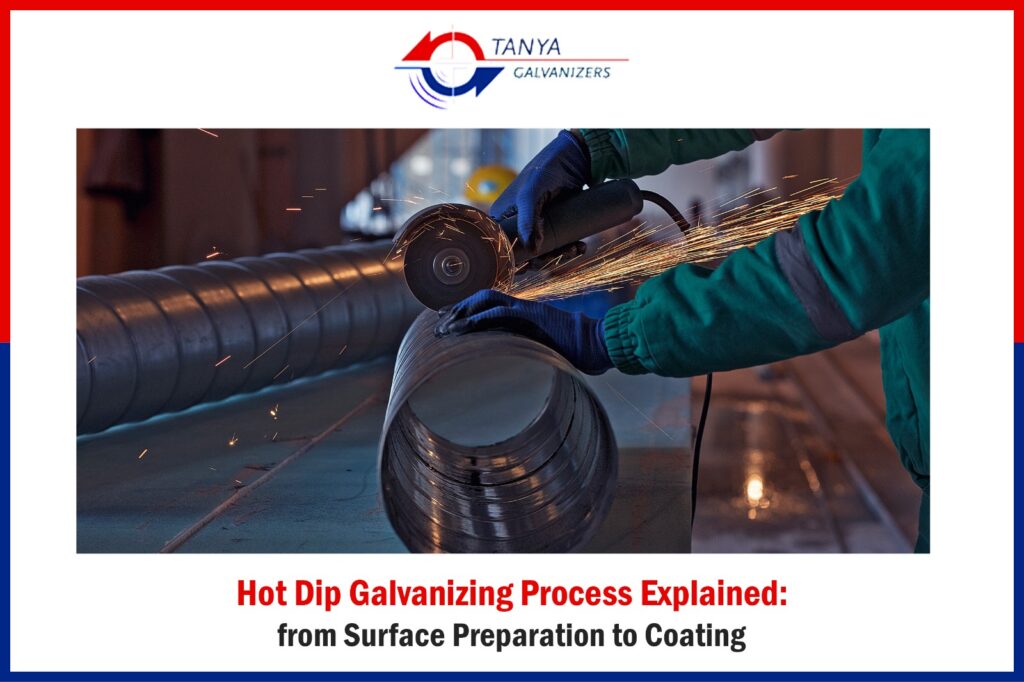
The galvanizing process begins with inspection and preparation of steel components. Fabricated items such as structural sections, pipes, fasteners, and towers are examined for contaminants like oil, paint, grease, or welding slag.
These impurities can prevent proper bonding between zinc and steel. Therefore, the steel must be properly prepared before entering the galvanizing process. Proper preparation ensures that the coating forms evenly across the entire surface.
Step 2: Degreasing and Surface Cleaning
Steel components often carry oil, grease, or machining residues from manufacturing processes. These contaminants are removed during the degreasing stage.
In this step, steel parts are immersed in a chemical cleaning solution that dissolves organic contaminants and surface oils. Cleaning ensures that the steel surface becomes chemically active and ready for the next treatment stage.
Degreasing is a critical step in maintaining efficiency and coating quality in a hot-dip galvanising plant.
Step 3: Pickling to Remove Rust and Scale
After degreasing, the steel components are transferred to pickling tanks containing acid solutions such as hydrochloric acid.
Pickling removes rust, mill scale, and oxide layers that naturally develop on steel surfaces. These layers must be removed to allow direct contact between steel and molten zinc during the galvanizing process.
This step ensures that the steel surface is clean and reactive, allowing proper metallurgical bonding in the galvanizing stage.
Step 4: Water Rinsing
Once pickling is completed, the steel components are rinsed thoroughly in water tanks. This step removes any remaining acid from the surface.
Rinsing also prevents contamination of the next process stage and helps maintain chemical balance within the galvanizing plant. Proper rinsing improves overall process efficiency and consistency.
Step 5: Fluxing for Surface Protection
The next stage is fluxing, which prepares the steel surface for immersion in molten zinc.
During fluxing, steel components are dipped into a flux solution typically composed of zinc ammonium chloride. The flux removes any remaining oxides and prevents new oxidation before galvanizing.
Fluxing also improves the reaction between molten zinc and steel, allowing the coating to spread uniformly across the surface.
Step 6: Drying or Preheating
Before entering the zinc bath, the steel components are dried or slightly preheated. This step eliminates moisture that may remain on the surface.
Moisture can cause splashing when steel enters molten zinc, which can affect coating quality and safety. Drying therefore improves both process safety and final coating quality in a hot dip galvanizing plant.
Step 7: Hot Dip Galvanizing in Molten Zinc Bath
The core stage of the process occurs when the prepared steel components are immersed in a kettle containing molten zinc maintained at approximately 450 degrees Celsius.
When steel comes into contact with molten zinc, a metallurgical reaction occurs between iron and zinc. This reaction forms several alloy layers that bond strongly with the steel surface.
The outermost layer consists of pure zinc, which acts as a protective barrier against corrosion. This coating protects steel structures even in harsh environmental conditions.
Step 8: Cooling and Solidification
After galvanizing, the coated steel components are removed from the zinc bath and cooled. Cooling may occur naturally in air or through water quenching.
During this stage, the zinc coating solidifies and stabilizes on the steel surface. Some galvanizing plants also use passivation treatments to reduce the risk of white rust formation.
Step 9: Inspection and Quality Assurance
The final stage of the galvanizing process involves detailed inspection and quality control.
Engineers check the galvanized steel for coating thickness, uniformity, adhesion, and surface finish. Specialized gauges are used to measure coating thickness and ensure compliance with industry standards.
A well-designed hot dip galvanizing plant includes dedicated inspection systems to maintain consistent product quality.
Industries That Depend on Hot Dip Galvanizing
Steel components processed in a hot dip galvanizing plant are widely used across multiple industries. Galvanized steel is commonly used in power transmission towers, highway guardrails, solar mounting structures, telecom towers, construction frameworks, and agricultural equipment.
Because galvanized coatings provide long-term corrosion protection with minimal maintenance, hot dip galvanizing has become a preferred solution for infrastructure and industrial projects worldwide.
Importance of Choosing the Right Galvanizing Plant Manufacturer
A well-designed hot dip galvanizing plant ensures efficient operations, consistent coating quality, and safe handling of chemicals and molten zinc.
Selecting an experienced galvanizing plant manufacturer in India helps industries achieve reliable galvanizing performance, energy efficiency, and compliance with environmental standards. Modern plants are designed with automated material handling systems, optimized chemical treatment tanks, and energy-efficient heating systems to improve productivity and reduce operational costs.
Conclusion
A hot dip galvanizing plant plays a crucial role in protecting steel structures used in infrastructure, industrial facilities, and public utilities. The process involves multiple carefully controlled stages including cleaning, pickling, fluxing, zinc coating, cooling, and inspection.
Each step ensures that the zinc coating bonds properly with steel and provides long-term corrosion protection. By understanding how a hot dip galvanizing plant works step by step, industries can better appreciate the technology behind galvanization and recognize the importance of choosing a reliable galvanizing plant manufacturer in India.
FAQs
1. What is a hot dip galvanizing plant used for?
Ans: A hot dip galvanizing plant is used to coat steel components with molten zinc to protect them from corrosion and significantly extend their service life.
2. What temperature is used in a hot dip galvanizing plant?
Ans: Most hot dip galvanizing plants maintain the molten zinc bath at approximately 450°C to ensure proper metallurgical bonding between zinc and steel.
3. Why is surface preparation important in galvanizing?
Ans: Surface preparation removes oil, rust, and contaminants from steel, allowing molten zinc to bond properly and form a durable protective coating.
4. What industries commonly use galvanized steel?
Ans: Industries such as construction, power transmission, transportation, infrastructure development, and renewable energy widely use galvanized steel components.
5. What is the difference between galvanizing and painting for corrosion protection?
Ans: Galvanizing creates a metallurgically bonded zinc coating that protects steel for decades, whereas paint forms only a surface barrier that may require regular maintenance and reapplication.